

Key Takeaways
- Identify and understand your target audience to tailor your ophthalmology ad effectively.
- Craft a headline that captures attention and encapsulates your key message.
- Emphasize your unique selling points to stand out in a competitive market.
- Incorporate patient testimonials and professional endorsements to build trust.
- Always include a clear and compelling call-to-action to drive patient engagement.
Grabbing Attention with Your Ophthalmology Ad
When it comes to crafting an ad for your ophthalmology practice, the first thing you’ve got to nail is the attention factor. You’re not just selling eyewear or promoting a service; you’re offering a promise of better vision and improved quality of life. To do that, your ad must be a beacon that catches the eye amidst a sea of information.
Understanding Your Target Audience
Let’s dive in. First, you need to know who you’re talking to. Is it the busy parent looking for a pediatric ophthalmologist for their child? Or is it the active senior concerned about cataracts? By understanding the specific needs and concerns of your audience, you can speak directly to them. This isn’t just about demographics; it’s about connecting on a personal level.
Crafting an Irresistible Headline
Now, for the headline. It’s the first thing people will read, and often, it’s what determines whether they’ll read on. Think about what matters most to your patients. Is it access to the latest technology? A family-friendly environment? Whatever it is, your headline should make it clear that you offer the solution they’re looking for. Make it snappy, make it clear, and most importantly, make it about them.
The Anatomy of an Impactful Ophthalmology Ad
Highlighting Unique Selling Points
What makes your practice the go-to for eye care? Your unique selling points (USPs) are your ace in the hole. Maybe you have the only 24-hour eye emergency room in town or you offer a revolutionary vision correction procedure. These are the gems you want to showcase in your ad. But remember, keep it simple and relatable. You want your audience to think, “That’s exactly what I need!”
Showcasing Patient Testimonials
Nothing speaks louder than the words of a satisfied patient. Testimonials are a powerful way to show potential patients that you’re trusted and effective. But don’t just pick any testimonial. Choose stories that resonate with your target audience’s concerns and desires. A well-placed quote can be the social proof that tips the scales in your favor.
Integrating Visually Appealing Graphics
They say a picture is worth a thousand words, and in ads, this is especially true. Use images that convey the comfort and care of your practice. Whether it’s a warm, welcoming photo of your team or a comforting image of your waiting room, the right visuals can evoke emotions and create a connection before a word is even read.
Driving Action Through Your Ad Content
Creating a Strong Call-to-Action
Every ad needs a finish line for the reader to cross. That’s your call-to-action (CTA). Whether it’s booking an appointment, signing up for a free consultation, or downloading a guide to eye health, your CTA should be clear and easy to follow. Use action words and make the next steps a no-brainer. Remember, the goal is to move them from interested to engaged.
Example: “Schedule your comprehensive eye exam today and see the world more clearly!”
Offering Time-Sensitive Promotions
One of the most effective strategies in advertising is creating a sense of urgency. Time-sensitive promotions can motivate potential patients to take action. Perhaps it’s a limited-time offer for a free eye health screening or discounted LASIK surgery for the first 20 patients who book a consultation. Whatever the promotion, the key is to make it enticing and urgent.
For example, you might say, “Don’t miss out on our Spring Vision Special! Book by April 30th and receive 25% off your LASIK procedure. Limited spots available, so act fast!” This not only creates urgency but also gives a clear deadline for the patient to act upon.
Ad Sample For Ophthalmology
Google Search Ad

Headline: “Expert Ophthalmology Care”
Description: “Experience clear vision with our trusted ophthalmologists. Book an appointment today!”
Ad Extension: “LASIK, Cataract Surgery, Glaucoma Treatment, and more.”
Facebook Ad
Image: An image of a smiling ophthalmologist wearing a white coat, with a state-of-the-art eye examination equipment in the background.
Headline: “See the World Clearly Again!”
Text: “Our team of experienced ophthalmologists is dedicated to improving your vision. Whether you need LASIK, cataract surgery, or routine eye exams, we’ve got you covered. Schedule your appointment now!”
Call-to-Action Button: “Learn More”
Instagram Ad
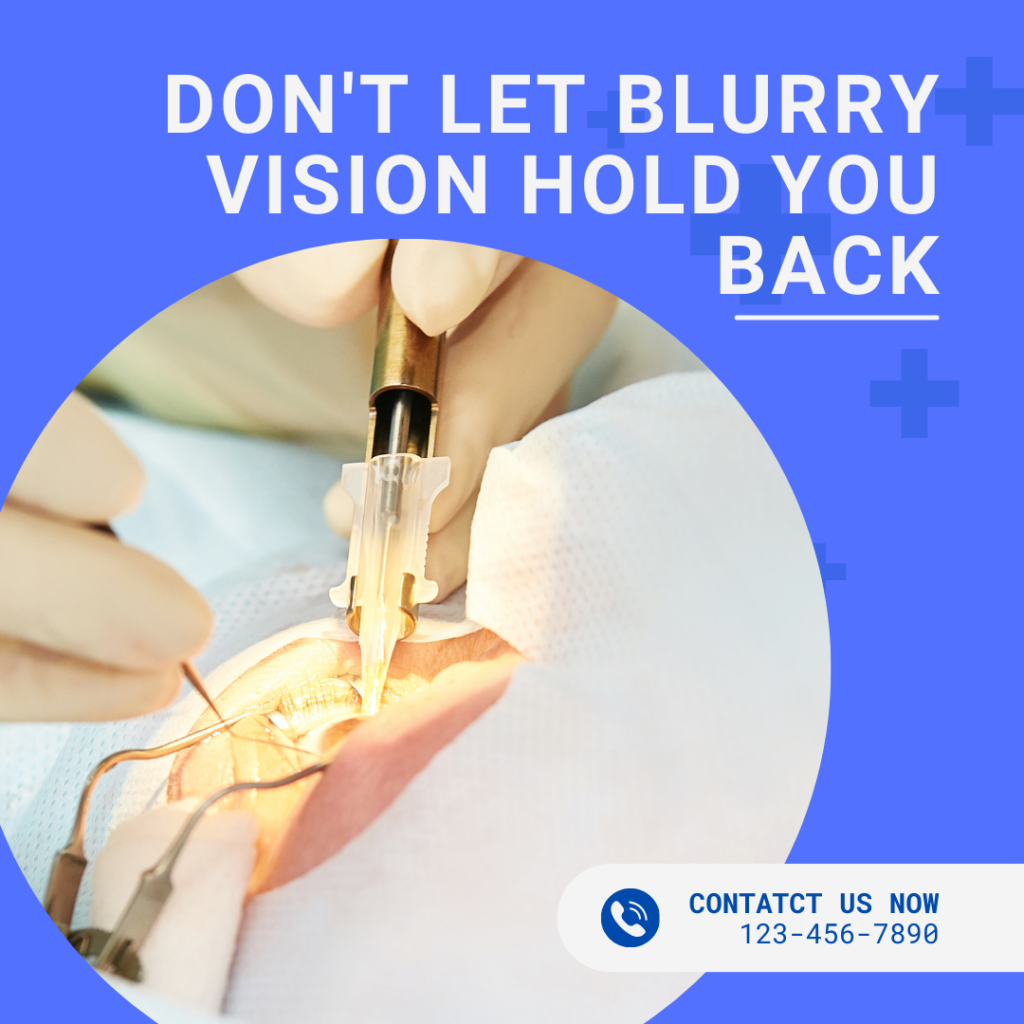
Image: A before-and-after image showcasing the transformation of a patient’s vision after successful eye surgery.
Caption: “Don’t let blurry vision hold you back. Our ophthalmologists are here to bring clarity back to your life. Swipe right to see the incredible results we’ve achieved!”
Hashtags: #ClearVision #OphthalmologyExperts #EyeSurgery
Measuring Ad Success and Making Adjustments
Creating the ad is just the beginning. The real work starts when the ad goes live. You’ve got to keep an eye on how it’s performing. Are people clicking? Are they booking appointments? This is where tracking key performance indicators (KPIs) comes in.
Tracking Key Performance Indicators
Some KPIs you might track include click-through rate (CTR), conversion rate, and return on investment (ROI). These metrics will tell you what’s working and what’s not. And with this data, you can make informed decisions about how to tweak your ad for better performance.
Using A/B Testing for Optimizing Ad Elements
Don’t be afraid to experiment. A/B testing, or split testing, is a fantastic way to find out which elements of your ad resonate best with your audience. Try different headlines, images, and calls to action to see what combination leads to the highest engagement. Then, use what you learn for future campaigns.
Digital Platforms for Your Ophthalmology Ads
Digital platforms offer unparalleled opportunities to reach potential patients. But with so many options, it’s crucial to choose the right ones for your practice.
Choosing the Right Social Media Channels
Think about where your potential patients spend their time. Facebook and Instagram might be great for reaching a broad audience, while LinkedIn could be better for connecting with other professionals. The key is to match the platform with your target demographic.
Maximizing Google Ads for Greater Reach
Google Ads can put your practice in front of people actively searching for ophthalmological services. With its targeting capabilities, you can ensure your ad is seen by those most likely to need your services. And because you only pay per click, it’s a cost-effective way to reach potential patients.
Remember, the goal of your ad is to inform, engage, and ultimately, to convince the reader to choose your practice for their eye care needs. By following these guidelines, you’ll be well on your way to creating effective ads that not only reach but resonate with your target audience.
FAQs About Writing Ads for Ophthalmologists
Advertising for ophthalmology practices comes with its own set of challenges and questions. Let’s address some of the most common ones to help you create ads that are both effective and compliant with industry standards.
These FAQs are designed to clarify any uncertainties you might have and provide actionable advice to optimize your advertising efforts. They’re the culmination of industry insights and practical experience, tailored to the unique needs of ophthalmology marketing.
What is the most effective element in an ophthalmology ad?
The most effective element in an ophthalmology ad is a clear value proposition. This is a concise statement that explains how your services solve patients’ problems or improve their situation. It should resonate with your target audience’s needs and set your practice apart from competitors. A strong value proposition, combined with a compelling call-to-action, can significantly increase the chances of an ad converting a viewer into a patient.
How can ophthalmologists ensure their ads are compliant with HIPAA?
Ophthalmologists can ensure their ads are HIPAA-compliant by avoiding the use of any Protected Health Information (PHI) without explicit patient consent. It’s essential to have a signed authorization form for any patient testimonials or images used in advertising. Additionally, always review ad content with a legal expert familiar with healthcare marketing regulations to prevent any inadvertent breaches of privacy laws.
Can ophthalmology ads be targeted to specific demographics?
Yes, ophthalmology ads can and should be targeted to specific demographics. This targeting ensures that the message reaches the individuals most likely to need your services. For example, ads for cataract surgery may be targeted at older demographics, while ads for pediatric ophthalmology services would target parents. Utilizing demographic data allows for more personalized and relevant ad campaigns, which can lead to higher engagement and conversion rates.
What are common mistakes to avoid in ophthalmology advertising?
Common mistakes to avoid in ophthalmology advertising include using overly technical language that may confuse potential patients, neglecting to highlight what sets your practice apart, and not including a clear call-to-action. Additionally, failing to monitor and adjust your ad strategy based on performance metrics can lead to missed opportunities and wasted resources. Remember, your ads should be patient-centric, easy to understand, and results-driven.
How often should ophthalmologists update their ad campaigns?
- Regularly review campaign performance every few weeks to gauge effectiveness.
- Update ad visuals and copy quarterly to keep the content fresh and relevant.
- Adjust targeting options and ad spend based on seasonal trends or new services offered.
- Overhaul campaigns annually or biannually to align with any significant changes in your practice or patient needs.
Staying current with your ad campaigns is vital for maintaining engagement with your audience. Keep a finger on the pulse of your market and be ready to pivot when necessary. The world of ophthalmology is always advancing, and your ads should reflect that progress.
In conclusion,
writing ads for ophthalmologists is a delicate balance between persuasive marketing and professional responsibility. By focusing on the needs and interests of your target audience, highlighting your unique offerings, and maintaining a high standard of ethics and privacy, you can create ads that not only attract attention but also build trust and drive patient action. Remember to measure your success, stay flexible, and always keep the well-being of your patients at the forefront of your advertising efforts.