
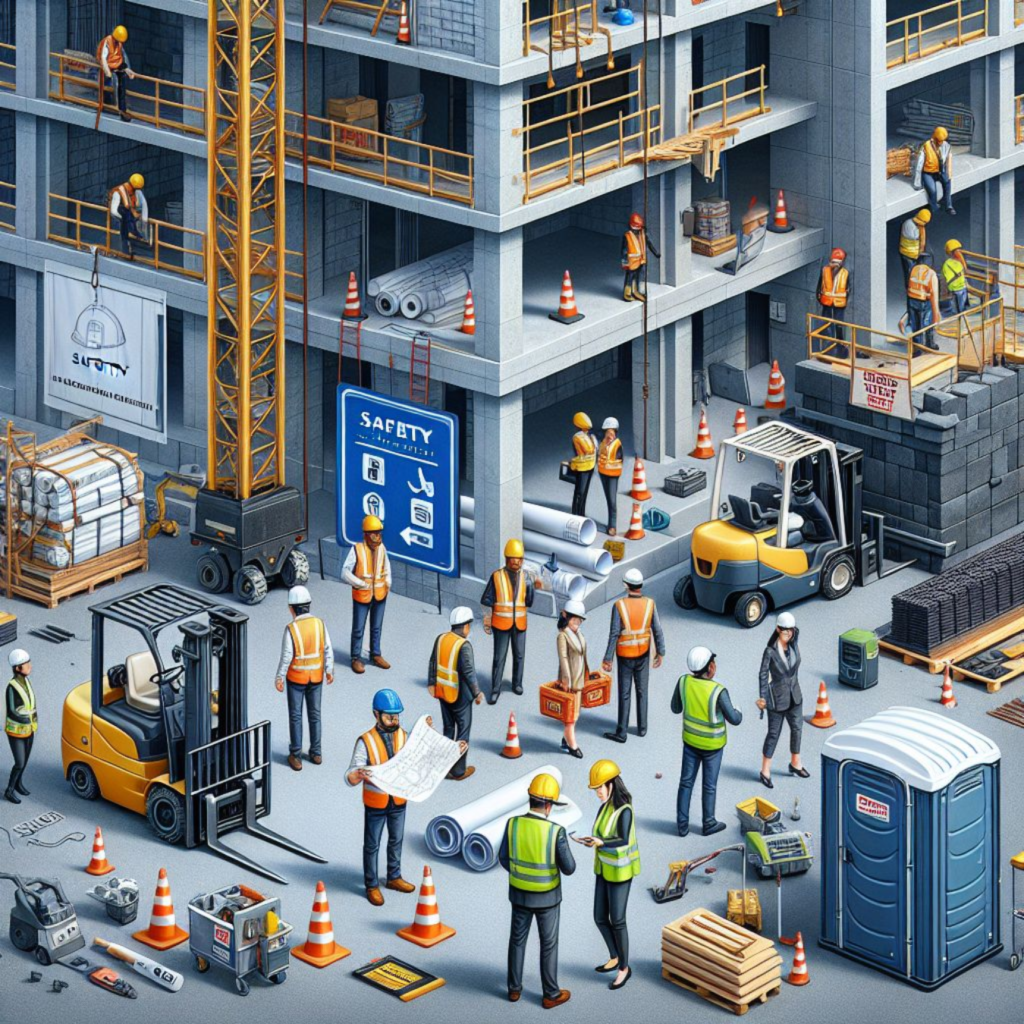
When it comes to construction, the safety of the workforce is not just a priority, it’s a necessity. The industry is notorious for its high-risk environments, and with every new project comes the responsibility to ensure that every individual on-site is protected from potential hazards. Thankfully, advancements in technology and innovative practices are leading the charge in transforming job site safety, reducing risks, and saving lives. Let’s dive into some of these groundbreaking changes.

Key Takeaways
- Smart wearables are enhancing worker safety through real-time monitoring and hazard detection.
- Drones and robotics are automating risky tasks, keeping workers away from dangerous situations.
- Modular construction methods are shifting much of the construction work off-site, leading to fewer on-site risks.
- High-tech protective gear and advanced tools are providing better protection and reducing the chance of accidents.
- By fostering a culture of safety through education, training, and incentives, construction sites become safer for everyone.
Revolutionizing Construction Safety: Harnessing Innovation
The construction industry is not just about bricks and mortar; it’s about the people who bring our skylines to life. And for these people, embracing innovation is key to ensuring their safety. From augmented reality to smart sensors, the tools we now have at our disposal are making construction sites safer and more efficient than ever before.
Tackling Hazards with Advanced Technologies
Innovation in construction safety is a game-changer. It’s about using technology to predict and prevent accidents before they happen. Imagine being able to see through walls to detect structural weaknesses or having a network of sensors that can alert you to a potential hazard. This isn’t science fiction; it’s the reality of modern construction, and it’s making a huge difference.
Key Innovations Redefining Worker Safety
Some of the most significant safety innovations in construction include wearables that monitor vital signs, materials that are stronger yet lighter, and equipment that’s smart enough to stop when it detects a risk. These aren’t just incremental changes; they represent a leap forward in how we think about and manage safety on the job site.
Pioneering Safety Practices
It’s not just about the gear and gadgets, though. Pioneering safety practices means building a culture where safety is ingrained in every action and decision. It’s about regular training, clear communication, and a commitment from everyone to look out for each other.
Smart Wearables: Monitoring for Hazard Prevention
Wearables have come a long way from just tracking our steps. On construction sites, they’re now smart enough to monitor heart rates, detect falls, and even alert workers to the presence of toxic gases. These devices are like having a personal safety assistant with you at all times, keeping an eye out for danger and helping you avoid it.
For instance, consider a smart helmet equipped with sensors that can detect fatigue levels. If a worker’s alertness drops, the helmet can send an alert to take a break, reducing the risk of accidents caused by tiredness.
Automating Safety with Drones and Robotics
Drones are becoming the eyes in the sky for many construction sites, capable of surveying large areas quickly and identifying potential hazards without putting workers at risk. Robotics, on the other hand, can take on the most hazardous tasks, such as working at great heights or lifting heavy loads, keeping human workers safe on the ground.
An example of this is the use of drones to inspect the structural integrity of high-rise buildings. Instead of sending workers to precarious positions, drones can capture high-resolution images that can be analyzed for any signs of wear or damage.
Building Smarter with Modular Construction
Modular construction is reshaping the industry by moving much of the construction process into controlled factory environments. This not only improves the quality and efficiency of the build but also significantly reduces the number of risks workers are exposed to on-site. By assembling large components or even entire rooms off-site, the potential for on-site accidents is greatly diminished.
Take the example of a multi-story hotel. Instead of constructing it brick by brick on-site, rooms are fully constructed in a factory, complete with plumbing and electrical work, and then transported to the site for assembly. This reduces the time workers spend on high scaffolding and limits their exposure to inclement weather, two major factors in construction-related accidents.
Next-Level Equipment for Enhanced Safety
High-tech equipment isn’t just about efficiency; it’s a critical component of safety on the construction site. Innovations like smart cranes that can detect obstacles and automated mixers that ensure precise material handling not only speed up the construction process but also minimize human error, which is a leading cause of workplace incidents.
High-Tech Protective Gear: Beyond the Hard Hat
Today’s protective gear goes far beyond the traditional hard hat. We now have vests with built-in GPS for worker tracking, gloves that vibrate to warn of potential hazards, and even boots that can charge your devices as you walk. This gear doesn’t just protect workers from accidents; it actively helps prevent them.
Powerful Tools: Reducing Risk and Improving Efficiency
With the advent of cordless, battery-powered tools, workers are no longer tethered to outlets, reducing the risk of tripping over cords. These tools are not only safer but also more powerful and efficient, allowing workers to complete tasks more quickly and with less physical strain, which can lead to fewer injuries.
Modernizing Safety Procedures with IoT Devices
The Internet of Things (IoT) is revolutionizing safety procedures by connecting tools, machinery, and safety equipment to the internet. This connectivity allows for real-time monitoring and data analysis, which can predict equipment failure before it happens, preventing potential accidents and ensuring that every piece of equipment is functioning correctly.
Creating a Culture of Safety on Construction Sites
Cultivating a safety-first mindset is crucial. It’s not just about following protocols; it’s about making safety second nature to every worker on the site. This culture is built through leadership, continuous education, and a shared commitment to looking out for one another.
But how do we embed this culture into the fabric of our daily operations? Let’s explore.
Education and Training: Equipping Teams with Knowledge
Consistent and comprehensive training is the foundation of a safe construction site. Workers should be well-versed in both the potential hazards of their job and the best practices for avoiding them. This includes everything from proper equipment handling to recognizing early signs of structural instability.
For example, a worker trained to identify the sound of a shifting load can react quickly to move to safety and alert others, potentially preventing a catastrophic accident.
Implementing a Safety-First Policy
A safety-first policy is a clear statement that the wellbeing of workers takes precedence over all else. This policy should be more than just words on paper; it should be a living, breathing part of every decision made on the construction site.
- Regular safety audits to identify and rectify potential hazards.
- Investing in the latest safety equipment and technology.
- Empowering workers to stop work if they perceive an imminent danger.
It’s not just about avoiding accidents; it’s about creating an environment where workers feel valued and protected.
Incentivizing Safe Practices Among Workers
Positive reinforcement can be a powerful tool in promoting a culture of safety. Rewarding teams for a certain number of accident-free days or for innovative safety solutions encourages not only compliance with safety protocols but also active engagement in finding new ways to improve site safety.
Consider a system where workers earn points for safe behaviors, which can be redeemed for rewards like extra time off or gift cards. It’s a win-win: workers feel appreciated for their dedication to safety, and the site benefits from fewer accidents and a happier workforce.
Real-World Impact: Case Studies
It’s one thing to talk about safety innovations; it’s another to see them in action. Across the globe, construction companies are making remarkable strides in worker safety, and their successes are well worth noting.
Success Stories: Companies Leading the Way in Safety Innovation
There are shining examples of companies that have embraced safety innovations and seen dramatic improvements. A notable case is a construction firm that integrated wearable technology for its workers, resulting in a 20% decrease in incident rates within the first year of implementation.
Another success story is a company that employed drones for site surveying and saw a 55% reduction in the time workers spent in potentially dangerous areas, drastically reducing the risk of accidents.
Breaking Down the Statistics: Before and After Safety Implementation
The proof is in the numbers. By comparing incident rates before and after the implementation of safety innovations, we can see a clear trend: a significant reduction in accidents and injuries. This isn’t just good for workers; it’s good for business. Fewer accidents mean less downtime, lower insurance costs, and a better reputation in the industry.
For example, after adopting modular construction techniques, one company reported a 75% decrease in lost-time incidents, showcasing how innovation directly translates to safer work environments.
Fostering Innovation Through Industry Collaboration
Innovation in construction safety doesn’t happen in isolation. It’s the result of industry-wide collaboration, where companies, tech developers, and regulatory bodies come together to share knowledge and push the boundaries of what’s possible. By pooling resources and expertise, the construction industry can develop solutions that are not just effective but also widely accessible and implementable.
For instance, safety equipment manufacturers often work closely with construction companies to tailor products to the specific needs of workers on the ground. This collaboration ensures that the gear is not only high-tech but also user-friendly and directly addresses the challenges faced by the workforce.
Industry forums and conferences also play a vital role in fostering collaboration. They provide a platform for stakeholders to discuss challenges, showcase innovations, and set new standards for safety in construction. It’s through these collaborative efforts that we see real change taking shape in the industry.
Upcoming Technologies and Potential Impact
The horizon of construction safety is always expanding, with new technologies constantly emerging. In the near future, we can expect to see advancements like AI-powered analytics for predicting and preventing accidents, and even more sophisticated wearables that could, for example, measure a worker’s muscle strain to prevent overexertion injuries.
Augmented reality is another technology that’s poised to make a significant impact. By overlaying digital information onto the real world, AR can provide workers with valuable insights and information in real-time, reducing the risk of errors that could lead to accidents.
FAQs
What Are the “Fatal Four” in Construction, and How Can Innovation Reduce Them?
The “Fatal Four” in construction refer to the four types of accidents that are responsible for the majority of fatalities in the industry: falls, being struck by an object, electrocutions, and getting caught in/between objects. These incidents are particularly tragic because they are often preventable with the right safety measures and innovations.
For example, wearable tech can prevent falls by alerting workers when they are too close to an edge, while better training and equipment can protect against electrocution. Innovations in machinery and site design can reduce the risk of being struck by objects or getting caught in/between them.
By continuing to innovate and implement new technologies, the construction industry can significantly reduce the occurrence of these fatal accidents.
How Do Smart Wearables Contribute to Construction Safety?
Smart wearables are revolutionizing construction safety by providing real-time data on worker health and environmental conditions. These devices can:
- Monitor heart rate and detect irregularities that may indicate stress or overexertion.
- Track a worker’s location to ensure they are safe and to facilitate quick response in case of an emergency.
- Detect exposure to harmful gases or extreme temperatures, prompting workers to evacuate or take precautions.
What Is the Role of Drones in Enhancing Construction Site Safety?
Drones play an increasingly critical role in construction safety by performing tasks that would otherwise put workers at risk. They can be used to:
- Conduct site surveys and inspections, particularly in hard-to-reach areas, minimizing the need for workers to be exposed to heights or unstable structures.
- Monitor ongoing work for compliance with safety regulations, providing real-time feedback to site managers.
- Deliver equipment or materials to specific locations on-site, reducing the manual handling required by workers.
How Does Modular Construction Promote a Safer Working Environment?
Modular construction promotes a safer working environment by moving a significant portion of the building process to a controlled factory setting. This method:
- Reduces the amount of time workers spend at height, one of the leading causes of accidents on construction sites.
- Minimizes exposure to outdoor hazards such as extreme weather conditions, which can lead to hazardous working conditions.
- Lowers the risk of accidents related to on-site construction tasks, as much of the assembly is done off-site with precision machinery.
What Are Some Common Incentives for Promoting Safe Practices on Construction Sites?
To encourage workers to prioritize safety, many construction companies implement incentive programs. These can include:
- Rewards for reporting unsafe conditions or near-misses, which helps to identify and mitigate risks before they lead to accidents.
- Bonuses or other benefits for teams that achieve certain safety milestones, such as a set number of days without an incident.
- Recognition programs that highlight individual or team contributions to improving safety on-site, fostering a sense of pride and ownership in maintaining a safe working environment.
These incentives not only promote a safer workplace but also help to build a strong culture of safety within the company.
I apologize, but you have not provided any content within the HTML tags for me to add a link to. Please provide a paragraph or sentence within the HTML structure where a link can be inserted.





Leave a Reply